Causeway Bay: Shopping Downstairs, Crowds at the Weekend
Causeway Bay at peak weekend density is a full-body experience of neon, crowd surge, and retail noise, with Victoria Park and upper-floor cafes as the only pressure-release valves.
- Flag
-
- ISO code
- HK
Causeway Bay: Shopping Downstairs, Crowds at the Weekend
On a Saturday afternoon, Causeway Bay has a specific weight. You feel it first at the top of the Times Square escalators, where the underground flow from Exit A of the MTR pushes you into the open-air piazza like a cork from a bottle. The humidity hits your face. The noise from the Hennessy Road crossing is not noise you hear but noise you push through. Department store loudspeakers loop Cantonese pop and sale announcements across the street fronts. SOGO, fourteen floors of retail from B2 to 16F, funnels shoppers onto footpaths that are already full. The 2023 Cushman & Wakefield Main Streets Across the World report ranked Causeway Bay the second most expensive retail location globally at USD 1,493 per square foot per year. You can feel why. Every square foot produces revenue, and every square foot feels occupied.
Where The Crowd Breaks
This district rewards the sideways step. Do not fight the density. Learn where it breaks. Victoria Park sits 600 metres from the Times Square crush, a three-minute walk from MTR Exit E. Its 19 hectares contain benches, a swimming pool, jogging paths, and the most reliable quiet within a ten-minute radius. Go there between 16:00 and 17:00 on a weekend afternoon. You will find the benches occupied by elderly residents reading newspapers. No queue, no purchase required. For a different escape, walk 500 metres south on Tung Lo Wan Road into Tai Hang. This pocket of low-rise and mid-rise walk-ups was a village before the towers arrived. The alleys are narrow. The rhythm is slower. No department store noise reaches here. On the 14th, 15th and 16th days of the eighth lunar month, the Tai Hang Fire Dragon Dance runs through these streets, a National Intangible Cultural Heritage since 2011. On a normal Saturday you get something rarer: quiet pavement in a dense city.
The Vertical Escape
Above street level, the upper floors of Hysan Place (opened 2012, MTR Exit F2) and the towers around SOGO contain cafes that locals treat as hideouts. The noise of Hennessy Road fades by the seventh floor. The windows face the harbour or the park. Order a pineapple bun with cold butter (bo lo yau) and sit until the crowd below feels distant. These are not secret places. They are just places most visitors walk past. The same logic applies after midnight. When the malls close and the pedestrianised zone at Great George Street and Paterson Street empties of stage performers and teenage dancers, the 24-hour cha chaan tengs along Jaffe Road and Lockhart Road serve pineapple buns and hot milk tea at 2am. The booths are worn. The fluorescent lights do not flatter. The crowd of shift workers, late shoppers and insomniacs creates a different density, quieter and more honest.
Above And Below The Main Drag
Causeway Bay works best when you treat it as a vertical district. The MTR station serves the Island Line. The tram rumbles east and west along Yee Wo Street and Causeway Road. The minibus terminus at Jardine's Crescent connects to outlying neighbourhoods. But the geography that matters is the one above and below the main drag. Walk from Times Square to the Bowrington Road Market at the junction of Jaffe Road and Bowrington Road, open daily until around 20:00, and you will see the wet market that serves the kitchens of the towers above. Walk from SOGO to Tin Hau MTR, 800 metres east, and you cross from retail density into residential calm. The Noonday Gun fires at 12:00 daily from the Typhoon Shelter promenade off Gloucester Road. The breakwater was built in 1953. The gun is a ritual that predates the malls. Stand there at noon, watch the shot, then turn your back to the towers and look at the water. That escape route works every time.

_22-11-2023.jpg)
| Landmark | Nearest MTR Exit | Walking Time |
|---|---|---|
| Times Square | Exit A | 0 minutes (piazza level) |
| SOGO Flagship Store | Exits D1, D2, D3, D4 | 2 minutes |
| Victoria Park | Exit E | 3 minutes |
| Hysan Place | Exit F2 | 1 minute |
| Fashion Walk | Exit E | 5 minutes |
Where to Eat, Drink and Stand Still
The food in Causeway Bay is stacked vertically. Typhoon Shelter Crab, wok-fried with garlic and chilli, is served at restaurants around the Typhoon Shelter itself. The claypot rice at Temple Street is a winter dish; in Causeway Bay, the 24-hour cha chaan tengs on Lockhart Road serve wonton noodles and egg waffles at any hour. Lockhart Road's bar density peaks between Cannon Street and Canal Road. Jaffe Road runs parallel and is quieter. If you want a bench in Victoria Park, enter from MTR Exit E and walk straight. If you want a table above the crowd, take the lift in Hysan Place to floor seven or above. The locals who live in the Tai Hang walk-ups do not eat at the ground-floor chains. They eat at the dai pai dongs on Bowrington Road or the noodle shops on Tung Lo Wan Road. You should too.
When the Crowd is at Its Worst
The first week of October, during Golden Week, and Chinese New Year (late January or February) push Causeway Bay past its ordinary density into something difficult. Independent shops and restaurants shut for days during Chinese New Year. The humidity from June to August makes the crush worse. October to early December is the comfortable window: clear skies, low humidity, temperatures around 20 to 25 degrees Celsius. Arrive at Times Square by 10:00 on a Saturday morning, before the 12:00 pedestrianisation begins, and you will have room to move. By 14:00, the footpaths are full. By 17:00, the crossing at Hennessy Road requires patience. That is the moment to turn toward Victoria Park or the upper-floor cafes.
How to Move Through it
Buy an Octopus card at the airport 7-Eleven or any MTR station. If your card was issued before 2017, have it upgraded at a service centre before use. Download the MTR Mobile app for routing and the HK Taxi app to avoid being stranded during shift-change at 16:00. Carry cash in small denominations for dai pai dongs and minibuses. The tram stop for Times Square is Percival Street; the stop for SOGO is Canal Road East or Hennessy Road. The cross-harbour bus terminus near SOGO connects to Kowloon. For the airport, take the MTR to Hong Kong Station and transfer to the Airport Express. The train takes 24 minutes and costs HK$115 one way. Do not take a taxi across the harbour for a short trip; drivers may refuse.
The Sideways Step You Should Take Next
When you exit Causeway Bay MTR on a weekend afternoon, do not walk toward Times Square first. Walk toward Victoria Park via Exit E. Sit on a bench for ten minutes. Then walk back into the density. You will move through it differently.
Common Questions
What time does the pedestrianised zone at Great George Street and Paterson Street operate?
The pedestrianisation scheme runs on weekend and public holiday afternoons, from 12:00 to 19:00. The schedule is annual, so verify current hours before you go.
Where do I find a public toilet in Causeway Bay?
Public toilets are scarce on the street. Use the facilities inside SOGO, Hysan Place, or Times Square. These mall washrooms are clean and free.
How far is Victoria Park from Times Square?
It is approximately 600 metres. Exit the MTR at Exit E and walk three minutes. The park covers 19 hectares and offers benches, jogging paths, and the nearest reliable quiet.
Is the Noonday Gun worth seeing?
It fires at 12:00 daily from the Typhoon Shelter promenade off Gloucester Road. It is a short walk from SOGO. Stand at the promenade by 11:55, watch the shot, then look at the harbour. The experience takes five minutes and costs nothing.
Can I reach Causeway Bay from the airport by MTR?
Take the Airport Express to Hong Kong Station, then transfer to the Island Line. The total journey is about 40 minutes. A taxi from the airport to Causeway Bay costs roughly HK$350 plus a luggage surcharge.
Read next
-
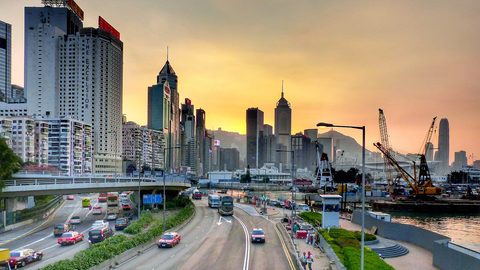 Causeway Bay Hotels Where the Shopping Is Downstairs and the Crowd Never Thins
Causeway Bay hotels put you above the retail chaos with instant MTR access, but weekend rates stay high and street noise demands a high-floor room facing Victoria Park.
Causeway Bay Hotels Where the Shopping Is Downstairs and the Crowd Never Thins
Causeway Bay hotels put you above the retail chaos with instant MTR access, but weekend rates stay high and street noise demands a high-floor room facing Victoria Park.
-
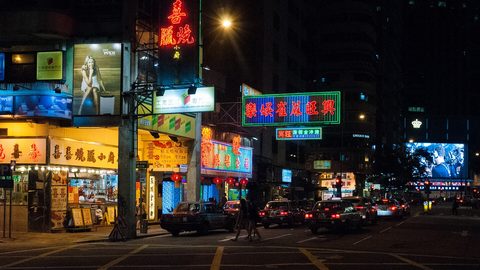 Hong Kong for a Short Stay The Harbour the Sides and the Seasons
Plan a Hong Kong short stay with the minimum four-day framework, covering harbour contrasts, a market, a hike, and the seasonal timing that makes or breaks a trip.
Hong Kong for a Short Stay The Harbour the Sides and the Seasons
Plan a Hong Kong short stay with the minimum four-day framework, covering harbour contrasts, a market, a hike, and the seasonal timing that makes or breaks a trip.
-
 Is a Hong Kong Harbour View Room Worth the Extra Money
Calculate the real cost difference for a Victoria Harbour view room in Hong Kong and decide when the premium is justified and when the Star Ferry does it better.
Is a Hong Kong Harbour View Room Worth the Extra Money
Calculate the real cost difference for a Victoria Harbour view room in Hong Kong and decide when the premium is justified and when the Star Ferry does it better.
-
 Hong Kong Island or Kowloon Hotel Why the Choice Matters Less Than You Think
The Island-or-Kowloon hotel decision matters less than the MTR makes it seem, except when a taxi driver refuses the cross-harbour trip at 4pm.
Hong Kong Island or Kowloon Hotel Why the Choice Matters Less Than You Think
The Island-or-Kowloon hotel decision matters less than the MTR makes it seem, except when a taxi driver refuses the cross-harbour trip at 4pm.
-
 Sleeping at HKG Airport Hotels Tung Chung and the Transit Options
Compare the airside Regal Airport Hotel at HKG, the Tung Chung cluster, and Airport Express corridor stays for late arrivals and early departures.
Sleeping at HKG Airport Hotels Tung Chung and the Transit Options
Compare the airside Regal Airport Hotel at HKG, the Tung Chung cluster, and Airport Express corridor stays for late arrivals and early departures.
-
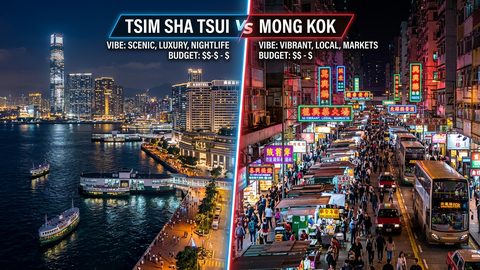 Tsim Sha Tsui vs Mong Kok — Choosing Your Kowloon Base by Budget and Vibe
TST or Mong Kok for your Kowloon base? Compare nightly rates, MTR exits, noise levels, and street vibe to pick the right fit for your Hong Kong trip.
Tsim Sha Tsui vs Mong Kok — Choosing Your Kowloon Base by Budget and Vibe
TST or Mong Kok for your Kowloon base? Compare nightly rates, MTR exits, noise levels, and street vibe to pick the right fit for your Hong Kong trip.