Staying on Hong Kong Island
Hong Kong Island runs from Central's glass towers to the southern beaches, with the tram connecting every neighbourhood in between.
- Flag
-
- ISO code
- HK
- Currency
- HKD
- Timezone
- Asia/Hong_Kong
The North Shore Hotel Strip
The tram bell rings and a double decker lurches west past a dried shark fin shop in Sheung Wan. That is the moment you realise Hong Kong Island makes no sense from a map. The north shore is a 7 kilometre strip of glass and asphalt running from Kennedy Town to Causeway Bay, but walking it feels like crossing four different cities. Which side of the island should you base yourself on, and what does each strip actually feel like? The answer depends on whether you want the business core, the historic edge, the retail crush, or the sea facing calm.
The tram is your thread. It runs the full length of the hotel strip from Kennedy Town to Shau Kei Wan, and at HKD 3 for a ride it costs less than a bottle of water. Use it at least once to understand how the island stacks together. The MTR Island Line covers the same ground in half the time, but the tram lets you see the shift from wet market chaos to high rise lobbies in real time. Do not rely on taxis for short trips between districts. Drivers can refuse journeys that do not cross the harbour, and the 4pm shift change makes hailing one nearly impossible. Download the HK Taxi app before you arrive.


The North Shore Strip: Kennedy Town to Causeway Bay
Kennedy Town: The Western Waterfront
Start at the western edge. Kennedy Town feels like a different island entirely. Low rise waterfront, former industrial buildings converted into bars, and a slower pace that makes the relentless Central energy seem distant. The MTR Island Line reaches here, and the station gives you access to the rest of the strip in under 20 minutes, but the point of staying is to step away from the strip. Hotels are smaller. The neighbourhood suits travellers who want to end their day looking at the sea, not at department store lights.
Sheung Wan: Antiques And Dried Seafood
Move east to Sheung Wan and the character flips. This is where the antiques trade and dried seafood wholesalers operate from shops that have stood for decades. The humidity hits hard when you step off the air conditioned walkway onto Des Voeux Road West. Boutique hotels have opened in the last few years, drawn by the galleries and the hip coffee scene that sits uneasily next to the smell of dried scallops. Walk the lanes between Man Mo Temple and the Western Market before 11am, when the wholesalers are still packing orders and the trams are full of shoppers, not tourists.
Central: The Financial Core
Central is the nucleus. Grade A office towers, the IFC complex, the Hong Kong Exchange at Exchange Square, luxury hotels that charge HKD 2,200 to 3,500 per night (the 2024 Hong Kong Tourism Board rate for upscale rooms on the island). The Airport Express terminates here, 24 minutes from the airport for HKD 115. You will pay a 20 to 40 percent premium over an equivalent Kowloon hotel for the privilege of stepping out of your lobby into the financial district. That premium buys you walking access to the Peak Tram lower terminus on Garden Road, the Star Ferry pier (HKD 3.2 to 4.2 for the 6 to 8 minute crossing), and Tai Kwun, the restored prison compound turned art and dining hub. If your trip revolves around business meetings or you intend to hit the Peak Circle Walk before breakfast, Central makes sense. If you are here for street food and night markets, it does not.
Admiralty And Wan Chai: Transit And Nightlife
Admiralty is a transit node dressed as a district. Government offices, integrated complexes that combine offices, hotels, and retail, and the interchange for the Tsuen Wan, Island, South Island, and East Rail lines. You can change here and reach Tsim Sha Tsui in three minutes. The Hong Kong Convention and Exhibition Centre sits in Wan Chai, which is the next stop east. Wan Chai is the mixed commercial strip where old wet markets sit alongside sleek modern bars. Lockhart Road generates most of the nightlife, with licences that run to 2am or 4am depending on the bar. The hotel stock runs mid range to upscale, and the character is more chaotic than Central but less frantic than Causeway Bay.
Causeway Bay: The Retail Crush
Causeway Bay is the retail crush. Times Square, department stores, 24 hour shopping energy that spills out of podiums onto the street. Hotels sit above shopping malls here. You will queue for lifts. You will struggle to find a seat in a cha chaan teng at lunch. The Wan Chai wet markets give way to Japanese department stores and the Typhoon Shelter restaurants that serve crab wok fried with mountains of garlic and chilli. If you want to shop until the last MTR train at 1am, stay here. If the idea of that makes you tired, look west.
The South Side: Beaches and the Peak
Skip The Peak Tram Queue
The north shore is where you sleep and eat. The south side is where you escape. The Peak rises 552 metres above Central, and the Peak Tram runs from Garden Road to Victoria Gap daily from 7am to 10pm. The queue for the tram can exceed 90 minutes. Skip it. Take bus 15 from Central or walk the 3.5 kilometre Peak Circle Walk, which requires no queue and delivers the same views. The walk is flat, shaded, and gives you the skyline panorama without standing in a line of tourists holding selfie sticks.
Beaches And The Dragon's Back
The south side beaches sit a bus ride away. Repulse Bay, Deep Water Bay, Stanley Main Beach, Shek O, Big Wave Bay. Access from Central requires a bus via the Aberdeen Tunnel or Pok Fu Lam, the MTR South Island Line to Ocean Park or Wong Chuk Hang, or a taxi that takes 20 to 30 minutes off peak to Repulse Bay, 25 to 35 minutes to Stanley. The Dragon's Back ridge hike ends at Big Wave Bay. Take bus 9 from Shau Kei Wan MTR station, a 30 minute ride, and you are on a trail with coastal views and a beach at the finish. This is not a full day commitment. It is a morning out.
Who Should Base Here and Who Should Not
Hong Kong Island best suits urban explorers who walk megacities for pleasure, food obsessives willing to queue for roast goose and claypot rice, hikers wanting a coastal trail minutes from a hotel lobby, luxury shoppers, and solo travellers comfortable with safe, hyper efficient chaos. You need a minimum of four days to cover the core Island and Kowloon contrasts, one market, one hike, and a day trip to an outer island without sprinting.
It is not for travellers on a shoestring. Upscale hotels on the island cost 20 to 40 percent more than equivalent rooms across the harbour in Kowloon. It is not for travellers who dislike crowds, humidity, or vertical spaces with limited personal room. The sensory load is constant. The humidity hits like a wall. The stair climbing wears out knees by day three. Visitors underestimate the physical toll and struggle to find genuine quiet outside of the outer islands. If that sounds like a problem, base yourself in Tsim Sha Tsui or Mong Kok instead, or split your stay across both sides of the harbour. The Star Ferry costs HKD 4. The MTR takes three minutes. There is no penalty for moving.
The most practical thing you should do next is open Google Maps, pin the MTR Island Line stations from Kennedy Town to Causeway Bay, and book a hotel within a five minute walk of the station that matches the character you actually want. If you want waterfront calm, Kennedy Town. If you want galleries and dried seafood, Sheung Wan. If you want to walk out of your lobby into the financial district, Central. If you want wet market energy and nightlife, Wan Chai. If you want to shop until 1am, Causeway Bay. The tram will connect them all for HKD 3. Your legs will do the rest.


| District | Character | MTR Island Line Station | Suitable For |
|---|---|---|---|
| Kennedy Town | Low rise waterfront, former industrial conversions, quiet residential feel | Kennedy Town | Travellers wanting sea facing calm, slower pace, smaller hotels |
| Sheung Wan | Galleries, antiques trade, dried seafood wholesalers, boutique hotels | Sheung Wan | Culture and food shoppers, those wanting South Island access |
| Central | Financial district, Grade A towers, luxury hotels, high end malls, Airport Express terminus | Central | Business travellers, luxury shoppers, Peak walkers |
| Admiralty | Government offices, integrated complexes, major MTR interchange | Admiralty | Transit dependent travellers, convention attendees |
| Wan Chai | Mixed commercial, wet markets, Lockhart Road nightlife, mid range to upscale hotels | Wan Chai | Nightlife seekers, food market explorers |
| Causeway Bay | High density retail, department stores, 24 hour shopping, hotels above podiums | Causeway Bay | Serious shoppers, travellers who want non stop energy |
Places in Hong Kong Island
-
 Causeway Bay
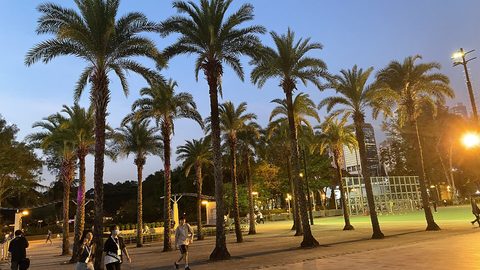
 at peak weekend density is a full-body experience of neon, crowd surge, and retail noise, with Victoria Park and upper-floor cafes as the only pressure-release valves.
Causeway Bay
Causeway Bay at peak weekend density is a full-body experience of neon, crowd surge, and retail noise, with Victoria Park and upper-floor cafes as the only pressure-release valves.
-
 Central
 Hong Kong is a street-by-street negotiation between glass-tower finance, luxury retail, and the historic back alleys that predate the skyline.
Central
Central Hong Kong is a street-by-street negotiation between glass-tower finance, luxury retail, and the historic back alleys that predate the skyline.
-
 Kennedy Town
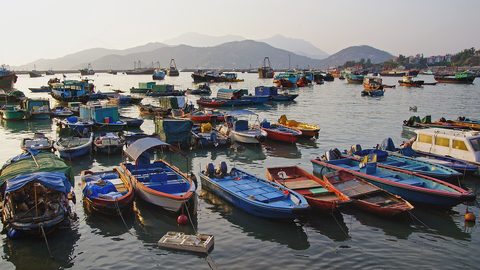
 sits at the western end of the Island Line, offering waterfront sunsets and a slower pace that feels like a different city 15 minutes from Central.
Kennedy Town
Kennedy Town sits at the western end of the Island Line, offering waterfront sunsets and a slower pace that feels like a different city 15 minutes from Central.
-
 Sheung Wan
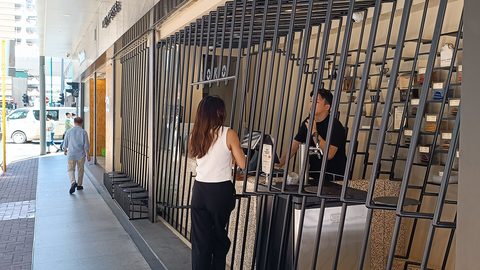
, one MTR stop west of Central, trades glass towers for incense-filled temples, dried-seafood streets, and antique shops in converted tenement buildings.
Sheung Wan
Sheung Wan, one MTR stop west of Central, trades glass towers for incense-filled temples, dried-seafood streets, and antique shops in converted tenement buildings.
-
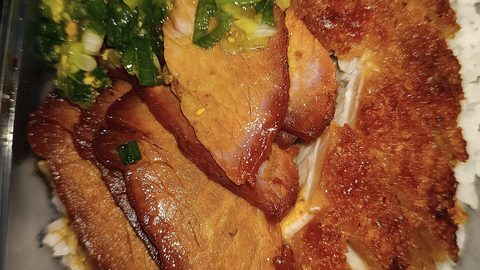 Wan Chai
 stretches from the convention centre's glass halls to a working wet market, with Star Street's quiet pocket and Lockhart Road's bars in between.
Wan Chai
Wan Chai stretches from the convention centre's glass halls to a working wet market, with Star Street's quiet pocket and Lockhart Road's bars in between.
More destinations in Hong Kong
Common Questions
Which side of Hong Kong Island has the best nightlife?
Wan Chai, specifically Lockhart Road, with bar licences running to 2am or 4am. Central around Lan Kwai Fong is also dense but on a steep incline. Causeway Bay is more retail focused and quiet after midnight.
Is it worth paying more for a hotel on Hong Kong Island versus Kowloon?
Only if your trip centres on the Central financial district or you plan to walk the Peak Circle Walk and south side beaches daily. The 2024 Hong Kong Tourism Board data shows upscale rooms on the island cost HKD 2,200 to 3,500 per night, roughly 20 to 40 percent more than equivalent Kowloon rooms. The Star Ferry costs HKD 4. A three minute MTR ride costs less. Base on activity, not prestige.
How do I get from the airport to Hong Kong Island hotels?
Airport Express train to Central in 24 minutes for HKD 115 single (2024 MTR Corporation rate). Taxi to the island costs approximately HKD 350 to 400 with a luggage surcharge per bag. The train is faster and cheaper unless you are travelling with a group and splitting the fare.
What is the best way to get around Hong Kong Island?
MTR Island Line runs from Kennedy Town to Causeway Bay with trains starting around 6am and ending around 1am. Trams run the full length from Kennedy Town to Shau Kei Wan and cost roughly HKD 3. Use the tram for orientation and the MTR for speed. Download the MTR Mobile app for routing before you arrive.
When should I avoid visiting Hong Kong Island?
The first week of October for Golden Week, when mainland Chinese holiday crowds spike hotel rates and fill every queue. Chinese New Year in late January or February for similar crowds plus many independent shops and restaurants shutting for days. June to August if you struggle with 32°C heat and 90 percent humidity.
Can I walk from Central to Causeway Bay along the north shore?
You can, but it is 7 kilometres of continuous urban density with air conditioned walkways and stairs. The walk takes about 90 minutes depending on how often you stop. The tram or MTR does it in 15 to 20 minutes. Walk one or two district sections. Do not attempt the full strip in summer humidity.
How do I get to the south side beaches from Central?
Bus via Aberdeen Tunnel or Pok Fu Lam, MTR South Island Line to Ocean Park or Wong Chuk Hang, or a taxi with off peak times of 20 to 30 minutes to Repulse Bay and 25 to 35 minutes to Stanley. Bus 9 from Shau Kei Wan MTR takes 30 minutes to the Dragon's Back trail head and Big Wave Bay.
Read next
-
Central
Central Hong Kong is a street-by-street negotiation between glass-tower finance, luxury retail, and the historic back alleys that predate the skyline.
-
Sheung Wan
Sheung Wan, one MTR stop west of Central, trades glass towers for incense-filled temples, dried-seafood streets, and antique shops in converted tenement buildings.
-
Causeway Bay
Causeway Bay at peak weekend density is a full-body experience of neon, crowd surge, and retail noise, with Victoria Park and upper-floor cafes as the only pressure-release valves.
-
Kennedy Town
Kennedy Town sits at the western end of the Island Line, offering waterfront sunsets and a slower pace that feels like a different city 15 minutes from Central.
-
Wan Chai
Wan Chai stretches from the convention centre's glass halls to a working wet market, with Star Street's quiet pocket and Lockhart Road's bars in between.
-
 The Hong Kong Hotel Market and What Your Dollar Buys at Each Price Band
Hong Kong hotel prices span from subdivided guesthouses to five-star harbour-front towers, and what you get for each price band depends sharply on district, view, and square footage.
The Hong Kong Hotel Market and What Your Dollar Buys at Each Price Band
Hong Kong hotel prices span from subdivided guesthouses to five-star harbour-front towers, and what you get for each price band depends sharply on district, view, and square footage.
-
 Where to Stay in Hong Kong for First Timers Who Like Walking
Compare Hong Kong districts by noise, walkability, price, and MTR access to find the one that fits your travel style, not just the obvious picks.
Where to Stay in Hong Kong for First Timers Who Like Walking
Compare Hong Kong districts by noise, walkability, price, and MTR access to find the one that fits your travel style, not just the obvious picks.
-
 Hong Kong Flights and Getting from HKG Airport to Your Hotel
How to get from Hong Kong International Airport to your hotel district by Airport Express, taxi, or shuttle, with real fares and timing.
Hong Kong Flights and Getting from HKG Airport to Your Hotel
How to get from Hong Kong International Airport to your hotel district by Airport Express, taxi, or shuttle, with real fares and timing.
-
 Hong Kong Things to Do Walkable from Each Hotel District
What to do in Hong Kong organised by hotel district, so you know exactly what's walkable from your room and what needs a short MTR ride.
Hong Kong Things to Do Walkable from Each Hotel District
What to do in Hong Kong organised by hotel district, so you know exactly what's walkable from your room and what needs a short MTR ride.